

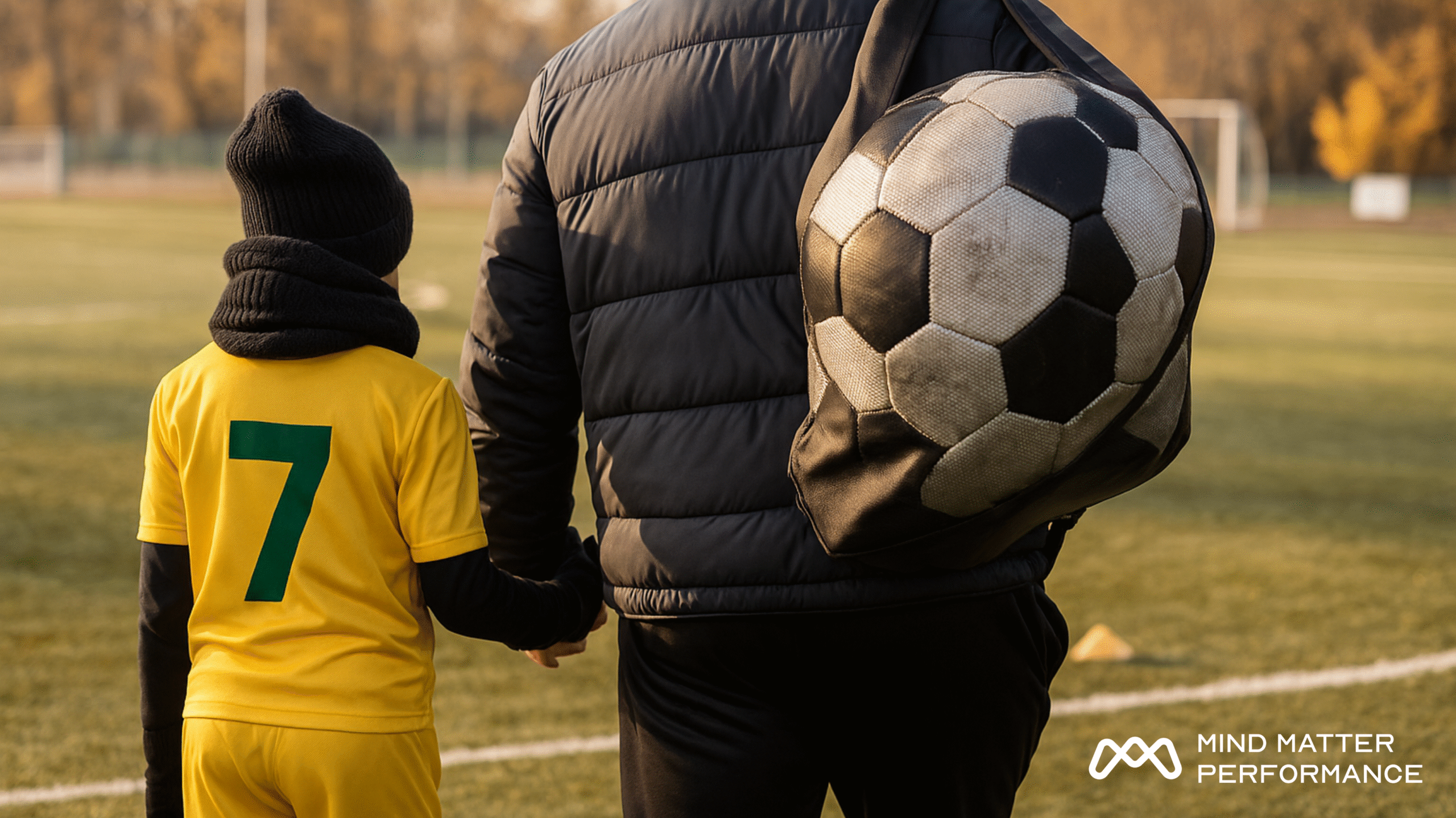

Have you ever watched your child walk off the field disappointed after a match or competition and felt unsure of what to say or do?
In the world of sport, resilience is one of the most valuable traits an athlete can develop. And that resilience is often shaped not on the pitch, but at home, by you – the parent.
Your consistent presence, words, and actions shape how your child handles pressure, setbacks, and achievements. Whether it’s a win or a loss, your response becomes a blueprint for how they’ll handle challenges both in sport and in life.
Being a supportive sport parent doesn’t mean removing every obstacle – it means walking beside your child as they learn to overcome them.
Your Role: The Emotional Anchor
You are not the coach, the critic, or the performance analyst.
A parent’s most important role in their child’s sporting journey isn’t to be the coach, the critic, or the performance analyst – it’s to be their emotional anchor. Children thrive when they know their worth isn’t tied to a win or a loss. When the home environment is supportive, judgment-free, and safe, it becomes a space where young athletes can freely process both their triumphs and their setbacks without fear. It provides them with a place to process their emotions, learn from their mistakes, and keep growing.
Resilience Grows in Safe Spaces
Resilience doesn’t develop from success alone, it’s shaped by how an athlete responds to challenges, mistakes, and failures.
A key factor in building resilience is having a consistent support system that allows the child to explore freely, make mistakes, and still feel accepted and encouraged. This is where parents lay the first stepping stones in their child’s psychological and emotional growth.
As a parent, it’s essential to encourage, challenge, and support your child in ways that don’t pressure or overwhelm them. Trust that they’ll reach out when they need help or guidance. Offer your perspective when it adds value, but resist the urge to always step in. Instead, allow them build independence – an important life skill that sport naturally develops through interactions with coaches, teammates, and the broader support system.
Let sport be a space where your child learns to fail, adapt, and rise again.
Reflect Together – After Both Wins and Losses
Reflection isn’t just for when things go wrong.
Reflection is a powerful tool, but it’s often only used after failure. Help your child develop the habit of reflecting after both wins and losses.
After a win, ask: “What went well?”, “What helped you succeed?”, or “What can we keep doing?“
After a loss, reflect together on: “What didn’t work?”, or “What can we try differently or improve upon next time?”
This kind of regular reflection reinforces accountability, emotional regulation, and perspective. It teaches your child to see every experience, good or bad, as a valuable learning opportunity, and as part of the bigger picture of growth.
Help Them Detach from Perfection
Sport isn’t about being perfect – it’s about progress.
Sport should not be a constant chase for perfection. Help your child understand that ups and downs are part of both the game and life. Normalise conversations about setbacks and mistakes. Celebrate effort, discipline, bravery and growth just as much – if not more – than results.
Show them that who they are matters more than what they achieve.
Allow your child the autonomy to choose how, when, and where they play. Offer guidance, not control. Your role is not to carve the path for them, but to light the way and walk beside them when they need you.
Affirmations for Supportive Sport Parenting
Here are some grounding affirmations to keep in mind as you support your child:
- “I am proud of my child’s hard work, dedication and discipline.”
- “I will not let the actions, attitude or behaviour of other parents affect my mindset.”
- “I will ensure our conversations don’t always revolve around sport.”
- “I will give my child the space and freedom to both fail and succeed – and learn from both equally.”
- “I will take time to understand my child’s sport and their role within it.”
- “I will remind my child often: ‘I love watching you play.”
The Long-Term Impact
These small acts of support may seem subtle, but they create a lasting impact. They foster joy in sport, encourage long-term participation, protect your child’s mental health, and lay a strong internal foundation of resilience.
Never forget – sport teaches lessons that go far beyond the game.
When you offer love, trust, and consistent support, you’re not just raising a strong athlete, you’re raising a strong and resilient human being.
While your role at home is foundational, Sport psychology can help build on that support – helping your child develop the mental tools they need to thrive.

At Mind Matter Performance, we work closely with young athletes to strengthen their focus, resilience, confidence, and emotional regulation – core skills that support both performance and overall wellbeing. Feel free to reach out to learn more: flow@mindmatterperformance.com