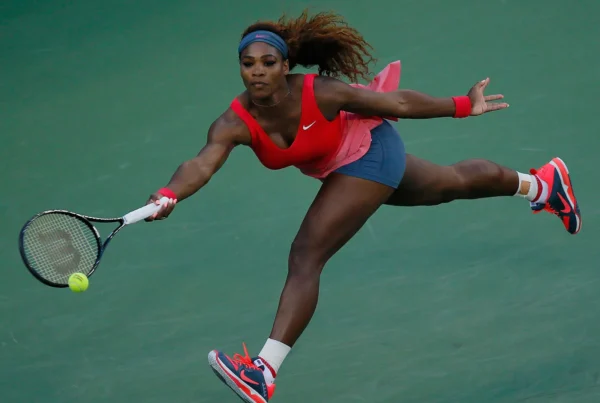


In high-performance sport, success is rarely determined by physical ability alone. Behind every precise movement, quick decision and well-timed reaction lies a complex set of cognitive processes. This is where Cognitive Task Analysis (CTA) becomes a powerful tool for athletes, coaches and practitioners aiming to understand- not just what an athlete does- but how they think while doing it.
What Is Cognitive Task Analysis?
Cognitive Task Analysis refers to a family of methods used to break down and understand the mental skills, decision-making processes, attention demands, and problem-solving strategies required to perform a task successfully. As defined by Gordon (1997) and later expanded by Clark & Feldon (2008), CTA systematically uncovers the cognitive components that traditional task analysis often overlooks.
In sport, this means going beyond biomechanics and technique to examine:
- What cues does an athlete focus on?
- How they process information under pressure
- How they manage emotions
- How they anticipate an opponent’s actions
- How they adapt when something unexpected occurs
Why CTA Matters for Athletic Performance
1. Enhances Decision-Making in Real Time:
Athletes often make decisions in milliseconds. Klein & Crandall (1995) emphasise that CTA helps uncover these intuitive decision strategies—highlighting how experienced performers recognise patterns, read opponents, and make rapid choices that novices struggle with.
By understanding these mental processes, coaches can design drills that replicate real decision-making demands.
2. Improves Mental Skills Such as Visualisation and Anticipation:
CTA reveals the meta-cognitive elements of performance—including visualisation, which plays a major role in skill execution and strategic planning. Visualisation supports athletes in mentally mapping game scenarios, anticipating opponent weaknesses, and reinforcing movement patterns, aligning with findings by Gore & McAndrew (2009) and Hays (2006).
3. Identifies Hidden Difficulties Affecting Performance:
Many performance breakdowns stem from cognitive overload, not physical limitations. CTA helps expose difficulties athletes may not verbalise—such as spatial awareness errors, ineffective cue recognition, or poor attentional control.
By identifying these invisible barriers, support staff can target the true source of performance issues.
4. Facilitates More Effective, Individualised Coaching:
Unlike generic coaching cues, CTA yields athlete-specific cognitive insights. Research by Fifer et al. (2008) shows that understanding an athlete’s cue use in environmental and psychological contexts allows for more tailored training environments that mirror-match conditions.
When coaches train the mind and body together, skill acquisition becomes more efficient and resilient under pressure.
CTA in Practice: A Holistic Approach
Modern approaches such as Applied Cognitive Task Analysis (ACTA) (Militello & Hutton, 1998) provide structured protocols — including knowledge audits, task diagrams, and cognitive interviews — that help break down complex skills. This technique has strong face validity and practicality in sport settings (Hoffman et al., 1995; Folkes et al., 2000).
Whether analysing a badminton serve, a football penalty, or a tennis return, ACTA helps practitioners understand the full picture:
the physical execution, the mental demands, and the environmental pressures that shape performance.
If sport is a combination of body, mind, and environment, then Cognitive Task Analysis is the bridge that connects them. By illuminating the mental mechanisms behind athletic skill, CTA provides athletes and coaches with tools to train smarter, react faster, and perform more consistently under pressure.
As the field of sport and exercise psychology continues to evolve, CTA stands out as an essential method for developing deeper insight into performance—and unlocking the cognitive foundations that separate good athletes from great ones.