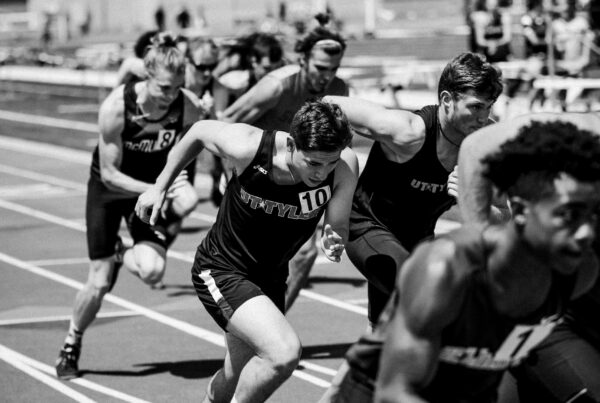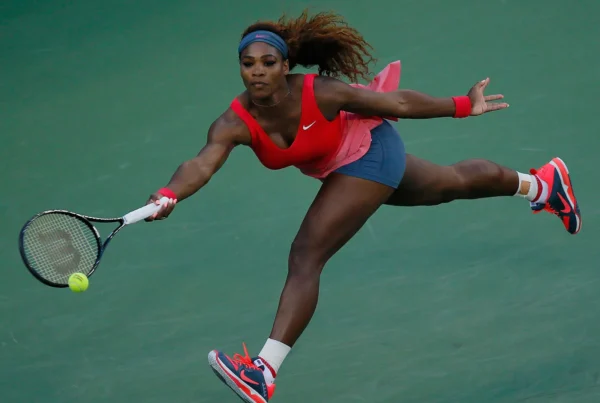


In sport, physical conditioning is merely half the story. How an athlete thinks, concentrates, recovers, and responds under pressure is frequently what distinguishes a good athlete from a great one. Sport Psychology is an essential tool because it provides evidence-based strategies that enhance performance as well as holistic wellbeing.
Who Is a Sport Psychologist?
According to the American Psychological Association, a Sport Psychologist is a qualified professional who uses psychological principles and strategies to boost mental health, enhance performance, and promote personal growth in sport and exercise settings. In short, they apply both science and practice to help athletes focus, be confident, manage their emotions, and stay motivated. But their work extends beyond performance: sport psychologists also assist athletes through injury, burnout, transitions, confidence issues or anxiety, individually, with a team, or even in conjunction with coaches and parents to foster a mentally healthy sporting environment.
Qualifications of a sport psychologist include an undergraduate degree in Psychology or Sport Science and a further master’s degree in Sport and Exercise Psychology, along with supervised training of anywhere between 2-4 years. They are often registered with national governing bodies like the Chartered Association of Sport and Exercise Sciences (CASES) or the British Psychological Society (BPS) in the UK, European Federation of Sport Psychology (FEPSAC) in Europe, the Association for Applied Sport Psychology (AASP) in Australia.
What Do Sport Psychologists Do?
Mental Skills Training: One of the primary domains in sport psychology involves teaching mental skills that facilitate attention, motivation and confidence in peak performance. These include goal setting, imagery, self-talk, attentional control, and arousal regulation – all of which have been associated with performance enhancement. Whether it is managing pre-race nerves or staying sharp through the final seconds of a game, mental tools can make all the difference.
Enhancing Well-Being and Preventing Burnout: Performance is just a part of the picture. Athletes are, after all, individuals before performers. Sport psychologists address holistic wellbeing beyond just performance, that includes addressing the unique challenges faced by athletes, such as – managing stress and recovery and helping athletes cope with setbacks, identity loss, or fan, family, and social media pressure. Eventually, the goal is to help athletes not only perform well but also feel well.
Working With Coaches and Teams: Sport psychology is not only for athletes and exercisers. Coaches play an important role in the development of athletes; thus, psychologists often collaborate with them to enhance coaching and the coach-athlete relationship through improved communication, leadership and motivation strategies. Similarly, team-based interventions may include workshops on group cohesion, role clarity, and conflict resolution, which have all been shown to impact team success.
Debunking Common Myths
A common misconception is that only struggling athletes must consult a sport psychologist; however, many top athletes seek out the services of a psychologist before there is a ‘problem’ in the first place. Just as you may use strength training or nutrition to proactively improve your performance, similarly, mental training works best when it’s proactive too, not reactive.
Why It Matters?
Mental demands in elite sport have been well documented and research confirms that athletes with stronger psychological skills are able to cope better with pressure, maintain motivation, and cope with setbacks. Sport psychology is not limited to elite performers: youth athletes, recreational exercisers, and even coaches benefit by learning how to regulate emotions, stay focused, and develop resilience – all which contribute to success off the field too. Sport psychologists help people unlock their full potential by training the one muscle that matters most: the mind.
Whether you are an athlete, a coach or someone who enjoys sport from the sidelines, understanding the vital role of a Sport Psychologist provides deeper insight into peak performance.

Interested in learning more or finding out about ways mental skills training can support you or your team? Contact us at flow@mindmatterperformance.com or follow along for more information on the psychology of sport and performance.